
Why Ethical AI Matters in Talent Management
How responsible AI use builds trust, fairness, and transparency in modern hiring.
7 min read
November 1, 2024
In a world increasingly reliant on automation, the integration of AI in hiring is not just a trend, it’s becoming the norm. But with great power comes great responsibility. As HR departments turn to AI-powered systems for screening, shortlisting, and even interviewing candidates, the urgency to address ethical concerns in AI hiring practices grows.
Fairness, bias mitigation, and human oversight aren’t just moral checkboxes, they’re essential components of responsible technology deployment that can make or break a company’s brand, culture, and legal standing.
The Bias Beneath the Algorithm
Contrary to the promise of objectivity, AI is only as unbiased as the data it learns from. And the data? Often riddled with historical biases. A landmark 2018 report from Reuters revealed that an experimental AI hiring tool used by Amazon showed bias against women because it was trained on resumes submitted over a 10-year period, predominantly by men in the tech industry. The tool systematically downgraded resumes that included the word “women’s,” such as “women’s chess club captain.”1
This isn’t an isolated case. A 2021 study published in the journal Nature Machine Intelligence analyzed 57 facial recognition systems and found that a majority exhibited racial and gender bias, disproportionately misidentifying darker-skinned individuals and women.2
Bias in AI hiring tools doesn’t just affect individuals, it undermines organizational diversity and equity goals, leading to long-term reputational and productivity costs.
The Importance of Fairness and Transparency
Ethical AI must prioritize fairness, but what does fairness look like in practice? According to the Equal Employment Opportunity Commission (EEOC), fairness in employment includes consistent treatment across gender, ethnicity, disability, and age.
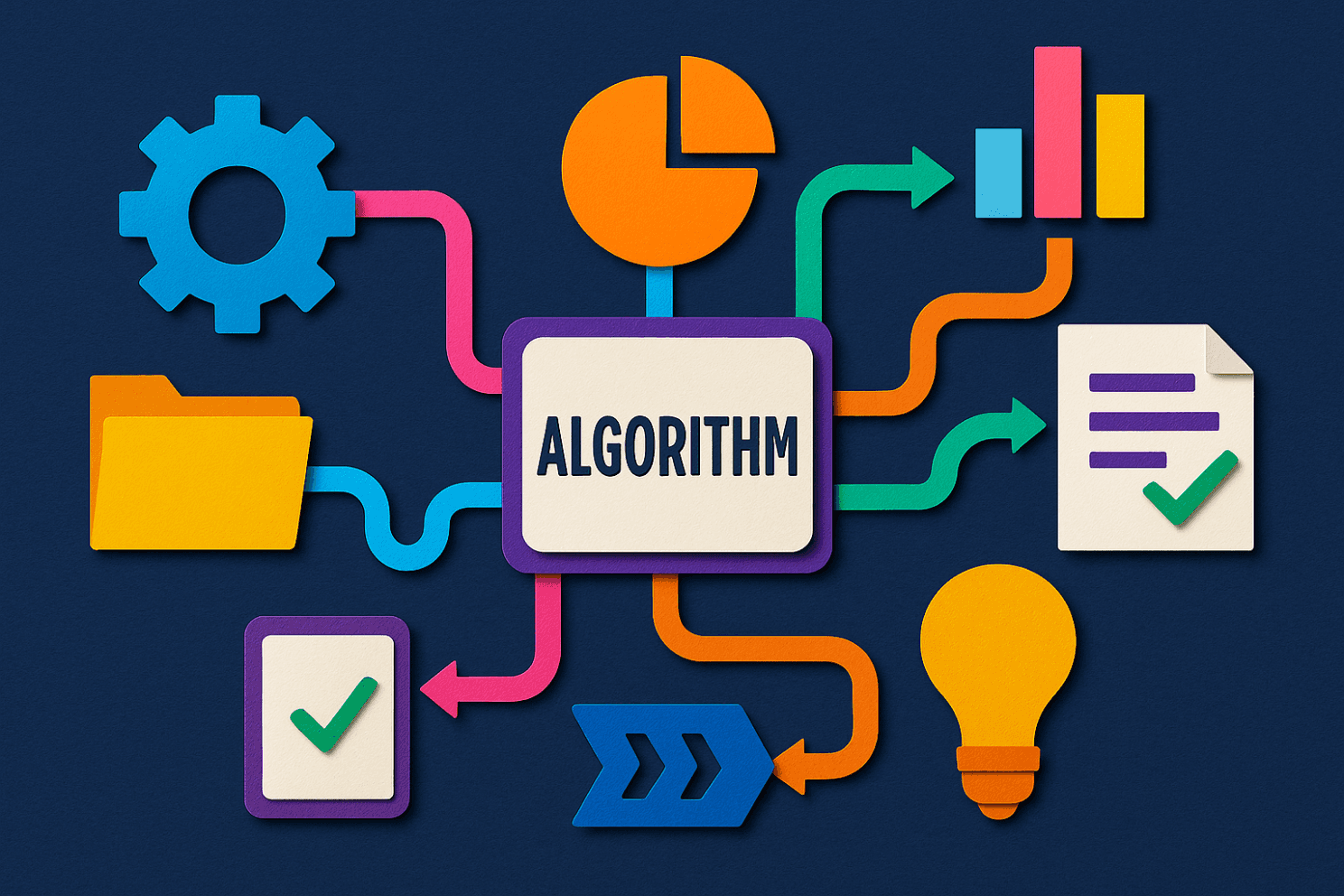
Yet most AI vendors still operate within a “black box” model, where decision-making logic is proprietary and opaque. A 2023 Harvard Business Review article highlighted how many employers fail to understand how these tools work, let alone how to audit them for fairness.3
The solution lies in transparency. Employers must demand explainable AI from vendors, and companies should conduct regular audits, just as they would with financial or legal systems. Implementing frameworks like IBM’s AI Fairness 360 toolkit or Google’s What-If Tool can support this practice.
Human Oversight: The Ethical Anchor
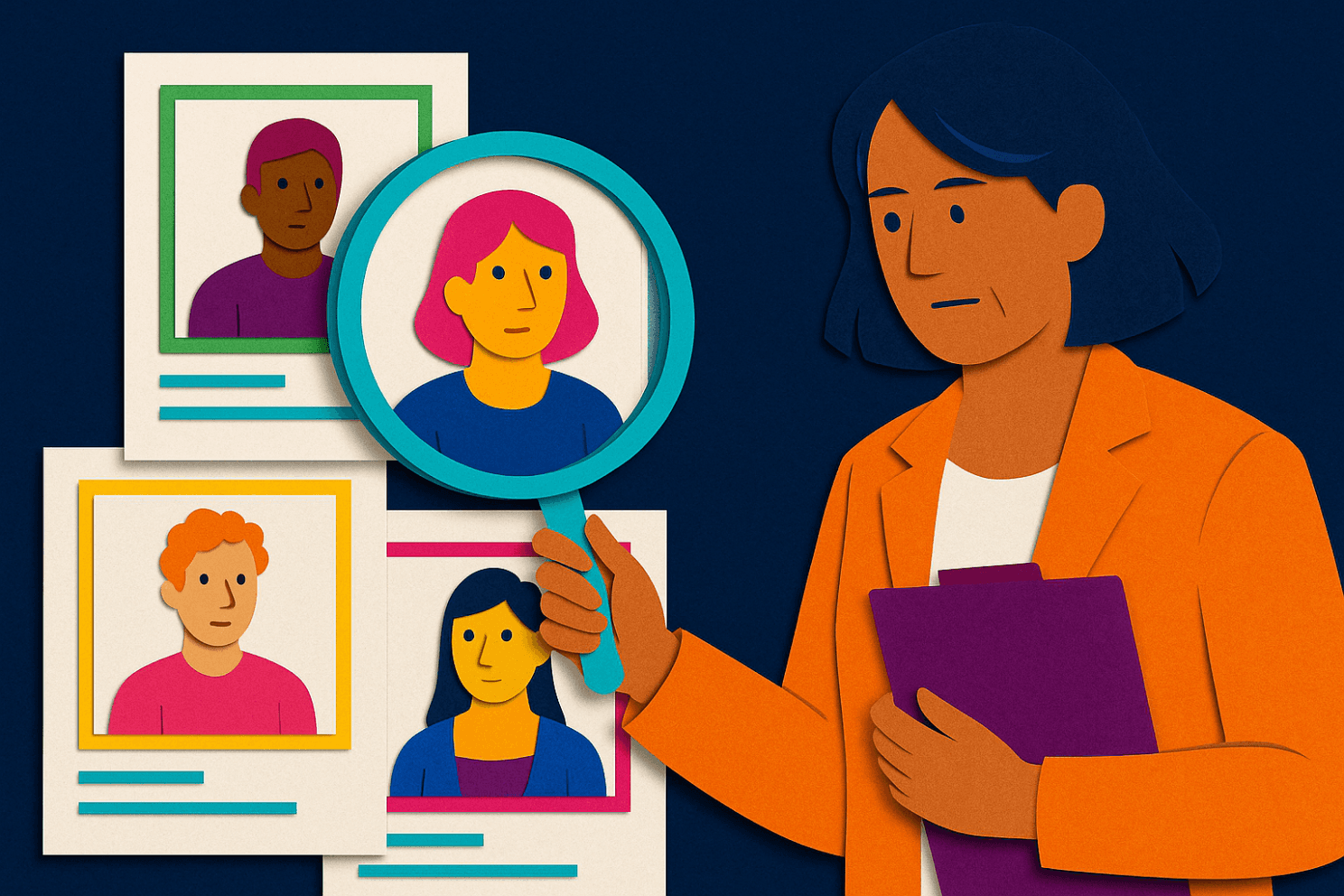
While AI can streamline early-stage filtering, it must never be the sole gatekeeper. Human oversight is crucial in interpreting nuance: career breaks, non-traditional backgrounds, or growth trajectories that don't align neatly with training data.
The World Economic Forum’s 2022 “Responsible Use of Technology” report urges companies to embed ethics reviews and human-in-the-loop systems to avoid automating away empathy and context.4
Collective Responsibility
It’s not just the job of tech companies to make AI ethical, it’s a collective responsibility. All kinds of leaders from different sectors must come together to define and enforce boundaries.
The EU’s proposed AI Act and initiatives like the U.S. Algorithmic Accountability Act aim to bring regulatory clarity to this space. But organizations don’t need to wait for legislation to do the right thing.
They can begin by asking the right questions and keeping the conversation going because AI in hiring holds great promise- speed, scalability, and efficiency-but it cannot come at the cost of equity and dignity.
AI Ethics at Professional.me
At Professional.me, we believe the future of hiring must be both innovative and ethical. Our filters are fully transparent. Every recommendation our AI makes is explained, audited, and continuously improved.
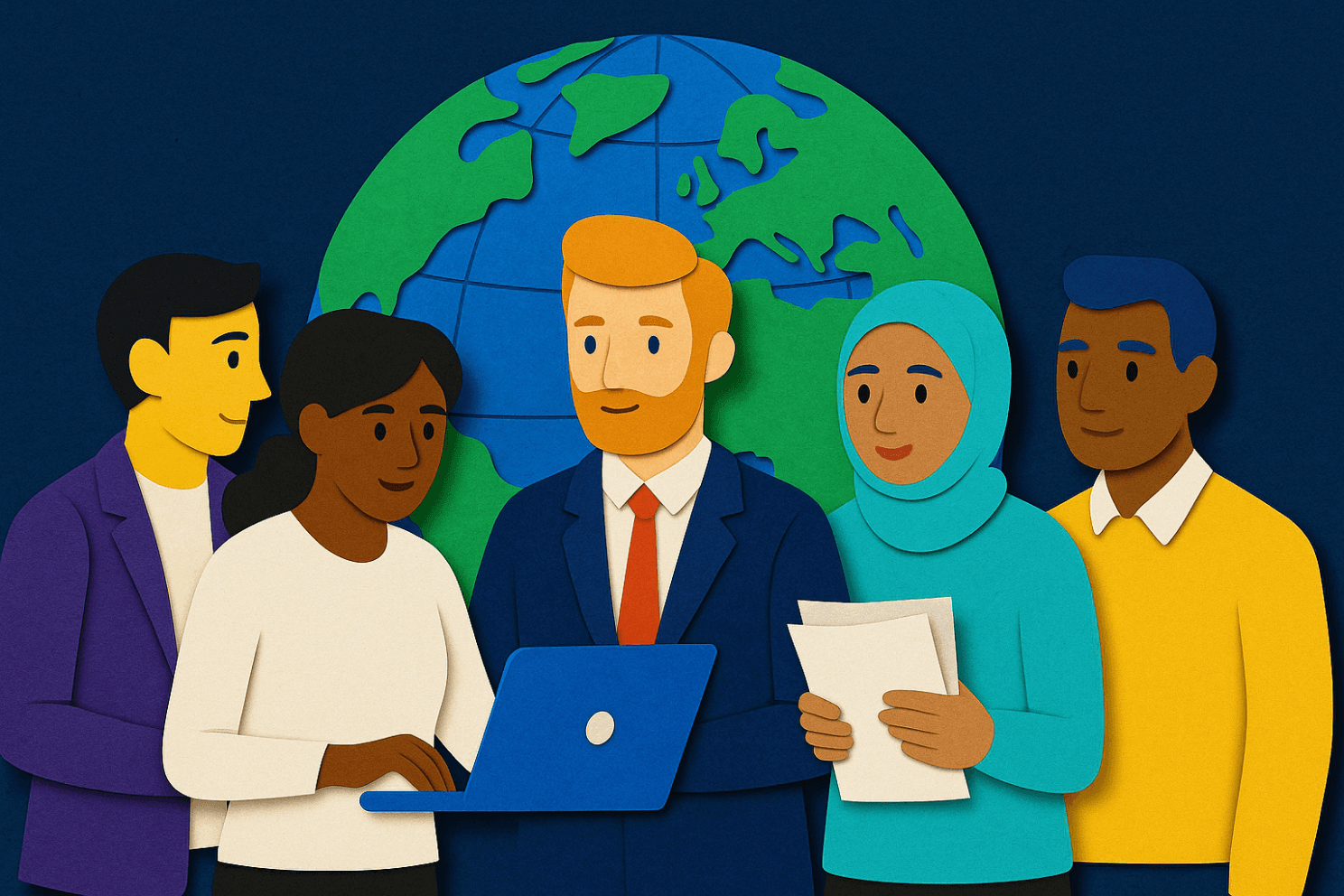
We build with a globally diverse team at every stage of development to ensure multiple perspectives are represented and bias is challenged from the start. Our proprietary systems are designed to minimize bias, prioritize fairness, and keep humans in control of the final decisions.
Technology can speed up hiring, but it should also make it fairer, more inclusive, and more human. That’s the future we’re building
Footnotes
Dastin, J. (2018). Amazon scrapped ‘sexist AI’ recruiting tool. Reuters. Link
Buolamwini, J., & Gebru, T. (2021). Gender Shades: Intersectional Accuracy Disparities in Commercial Gender Classification. Nature Machine Intelligence.
Raji, I. D., & Buolamwini, J. (2023). How to Audit AI Hiring Tools for Bias. Harvard Business Review. Link
World Economic Forum (2022). Responsible Use of Technology. Link
Published:
November 25, 2025
" height="40px" id="VDVvmyVSr" width="40px"/><path d="M 4.591 14.797 L 4.591 7.397 L 6.633 7.397 L 6.904 4.848 L 4.591 4.848 L 4.594 3.571 C 4.594 2.906 4.658 2.55 5.613 2.55 L 6.89 2.55 L 6.89 0 L 4.847 0 C 2.393 0 1.53 1.237 1.53 3.317 L 1.53 4.848 L 0 4.848 L 0 7.398 L 1.53 7.398 L 1.53 14.797 Z" fill="rgb(255, 255, 255)" height="14.7966px" id="DjjrS3nEv" transform="translate(16.825 12.35)" width="6.904px"/></svg>)
" height="40px" id="tUlbn2JY_" width="40px"/><path d="M 11.849 0 L 14.157 0 L 9.116 5.761 L 15.046 13.6 L 10.403 13.6 L 6.766 8.846 L 2.606 13.6 L 0.297 13.6 L 5.688 7.438 L 0 0 L 4.761 0 L 8.048 4.346 Z M 11.04 12.219 L 12.318 12.219 L 4.066 1.308 L 2.694 1.308 Z" fill="rgb(255, 255, 255)" height="13.6px" id="kjxd009Vt" transform="translate(12.35 13.2)" width="15.045799999999998px"/></svg>)
" height="40px" id="ygf1gqjT3" width="40px"/><path d="M 1.744 0 C 0.689 0 0 0.692 0 1.6 C 0 2.489 0.669 3.2 1.704 3.2 L 1.723 3.2 C 2.798 3.2 3.467 2.489 3.467 1.6 C 3.447 0.692 2.798 0 1.744 0 Z M 0.182 4.464 L 0.182 13.724 L 3.264 13.724 L 3.264 4.464 Z M 14.378 13.724 L 14.378 8.415 C 14.378 5.57 12.858 4.247 10.83 4.247 C 9.193 4.247 8.461 5.145 8.052 5.776 L 8.052 4.464 L 4.969 4.464 C 5.01 5.333 4.969 13.725 4.969 13.725 L 8.052 13.725 L 8.052 8.553 C 8.052 8.276 8.072 8 8.153 7.802 C 8.376 7.249 8.883 6.677 9.735 6.677 C 10.85 6.677 11.296 7.526 11.296 8.77 L 11.296 13.724 Z" fill="rgb(255, 255, 255)" height="13.724699810028078px" id="jWTosTUeG" transform="translate(13.173 12.775)" width="14.37839979324341px"/></svg>)